Silicone 3D Printing & LSR Technology
Silicone 3D printing enables the toolless production of flexible, soft, and functional parts. The LayersTech M1 PRO combines advanced silicone 3D printing and LSR workflows with an industrial-grade additive manufacturing platform.
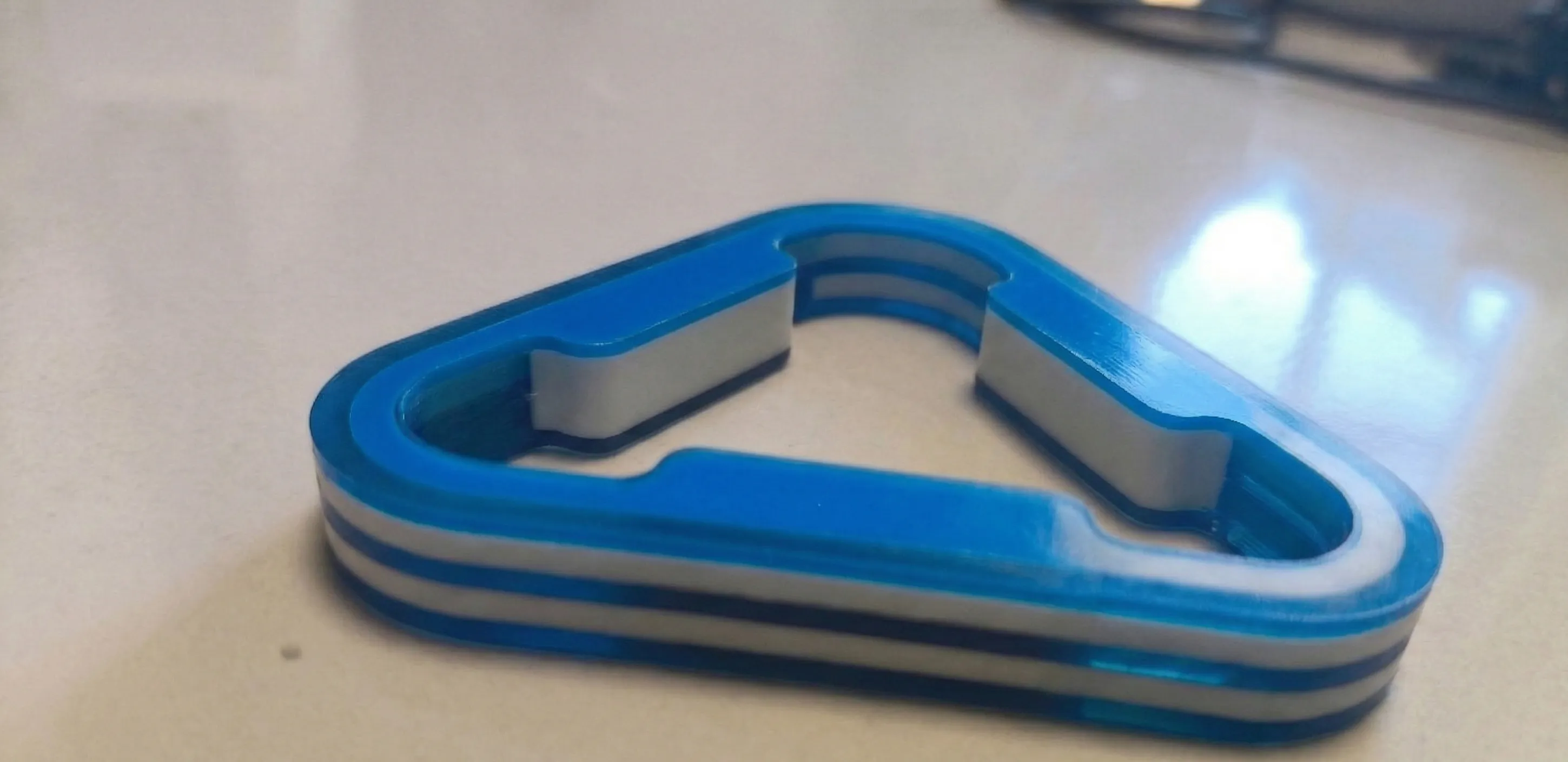
LSR 3D printing
Professional process optimized for Liquid Silicone Rubber applications
Flexible parts
Soft, elastic, and fully functional elastomer components
Industrial system
Controlled environment built for repeatable production runs
Multi-material
Process silicone, support materials, and engineering polymers
What is Silicone 3D Printing?
Silicone 3D printing is the layer-by-layer manufacturing of silicone-based materials directly from digital CAD files. Traditional silicone manufacturing typically requires molds, which adds significant time and cost to design iterations. Silicone additive manufacturing provides a much faster and more agile workflow, especially for prototypes and custom components.
With LSR 3D printing and RTV silicone printing, the objective is not just creating visual models. Real functional characteristics—such as sealing performance, elasticity, damping, and soft-touch behavior—can be tested directly. This makes silicone 3D printing a strategic technology for engineering, medical, robotics, and automotive teams.
Key Advantages
- Fast design validation and prototyping without initial tooling costs
- Production of flexible, soft-touch, and functional silicone components
- Design freedom for complex geometries, internal channels, and custom forms
- Efficient low-volume production and custom part development
- Suitable workflows for robotics, medical, automotive, and industrial projects
Silicone 3D Printing vs. Traditional Molding
Traditional Molding
- Highly efficient and cost-effective for mass production runs
- Requires high initial tooling investment and longer setup times
- Any design modifications require expensive mold re-tooling
Silicone 3D Printing
- Enables fast prototyping and low-volume production without molds
- Provides design freedom for complex geometries and custom shapes
- Makes design iterations faster, more flexible, and economical
Industrial Silicone 3D Printer Approach
Silicone 3D printing is not just a matter of material dosing. A stable motion system, controlled curing, precise thermal management, software workflow, and safety process control must work together. That is why an industrial 3D printer infrastructure is critical for silicone applications.
The LayersTech M1 PRO is a professional platform designed for utilizing silicone, support materials, and engineering polymers in a unified production approach. This system makes it easier to transition flexible parts from prototyping to functional production.
Process Control
Controlled production for consistent results in silicone printing
Functional Parts
Focus on functional elastomer parts, not just visual models
Production-Ready
Professional infrastructure built for engineering teams
Hybrid Manufacturing
Combine silicone and different materials in a single workflow
Where is Silicone 3D Printing Used?
Industrial 3D Printer Infrastructure for Silicone
Silicone 3D printing requires stable movement, controlled temperature, accurate dosing, and reliable production infrastructure. Choosing an industrial 3D printer is therefore critical for LSR and elastomer applications.
Explore the industrial 3D printers guideFrequently Asked Questions
What is silicone 3D printing?
Silicone 3D printing is the additive manufacturing of silicone-based materials directly from digital models without requiring a mold. It is used to create flexible, soft, sealing, and functional parts.
What are the main applications of LSR 3D printing?
LSR 3D printing is widely used for producing gaskets, seals, medical models, robotic grippers, soft fixtures, prototypes, and customized elastomeric components.
Is silicone 3D printing an alternative to molding?
Yes. Silicone 3D printing is a highly viable alternative to injection molding for prototyping, low-volume production, complex geometries, and fast design iterations. For high-volume mass production, traditional molding may still be more cost-effective.
Does silicone 3D printing require an industrial 3D printer?
Yes, an industrial-grade infrastructure is critical to ensure stable dosing, controlled curing, repeatable motion, and process safety. The LayersTech M1 PRO is a professional platform built specifically for this purpose.
Let's Determine the Right Process for Your Silicone 3D Printing Project
Evaluate the appropriate technical approach for your LSR 3D printing, silicone prototype, flexible part, or industrial silicone production project together with our team.