3D Printers & Industrial Systems
3D printing technology is no longer just for visual prototypes; it is fully integrated into modern manufacturing workflows. LayersTech supports engineering teams with professional 3D printers, industrial platforms, and silicone 3D printing solutions.
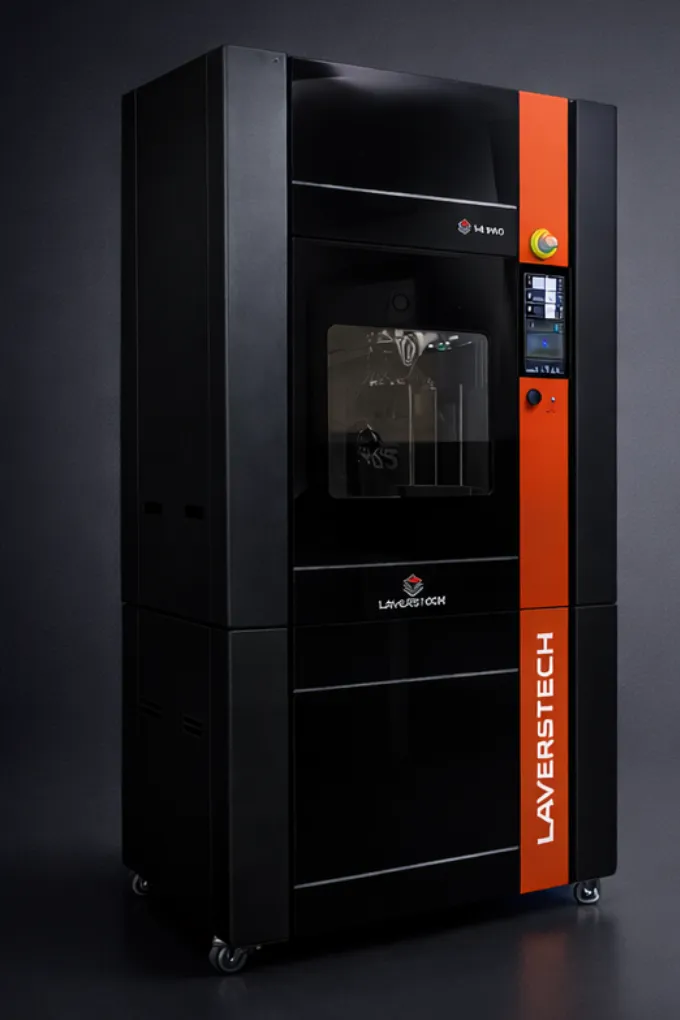
3D printer
Direct physical part production from digital CAD models
Industrial scale
Repeatable, stable, and professional manufacturing systems
3D printers
FFF, multi-material, and hybrid production platforms
Silicone 3D printing
Advanced technology for flexible LSR and elastomer components
What is a 3D Printer?
A 3D printer builds physical parts layer by layer from a digital model. In professional environments, the value is not only the printed object; it is the ability to shorten development cycles, validate functional geometry, produce low-volume parts and reduce the need for expensive tooling.
Key Considerations
- Build volume and mechanical stability
- Material compatibility and temperature limits
- Print repeatability and surface quality
- Service, software, and remote monitoring features
- Safety, filtration, and workshop compatibility
3D Printers: Desktop vs. Industrial Systems
Desktop 3D Printers
- Suitable for basic prototyping and visual models
- Limited material choices and temperature capacities
- Requires frequent operator monitoring during long runs
Industrial 3D Printers
- Aims for repeatable, reliable, and production-ready parts
- Features enclosed build chambers and robust motion platforms
- Supports advanced processes like multi-material and silicone printing
3D Printers Built for Production
Industrial 3D printers are engineered to be a reliable and robust component of the manufacturing workflow. These systems combine rigid mechanical frames, enclosed build chambers, precise motion platforms, active thermal profiles, secure software networks, and dedicated enterprise support.
The LayersTech M1 PRO stands out among industrial systems with its hybrid manufacturing approach. It combines high-temperature FFF, multi-material capabilities, a four-nozzle toolhead setup, and direct silicone 3D printing on a single platform to meet diverse engineering challenges.
Thermal Control
Stable temperature management for consistent print quality
Multi-Tool
Flexible nozzle setups for FDM, soluble support, and silicone
Reliable Production
Print monitoring, safety enclosures, and enterprise support
Multi-Material
Incorporate diverse engineering polymers in a single print job
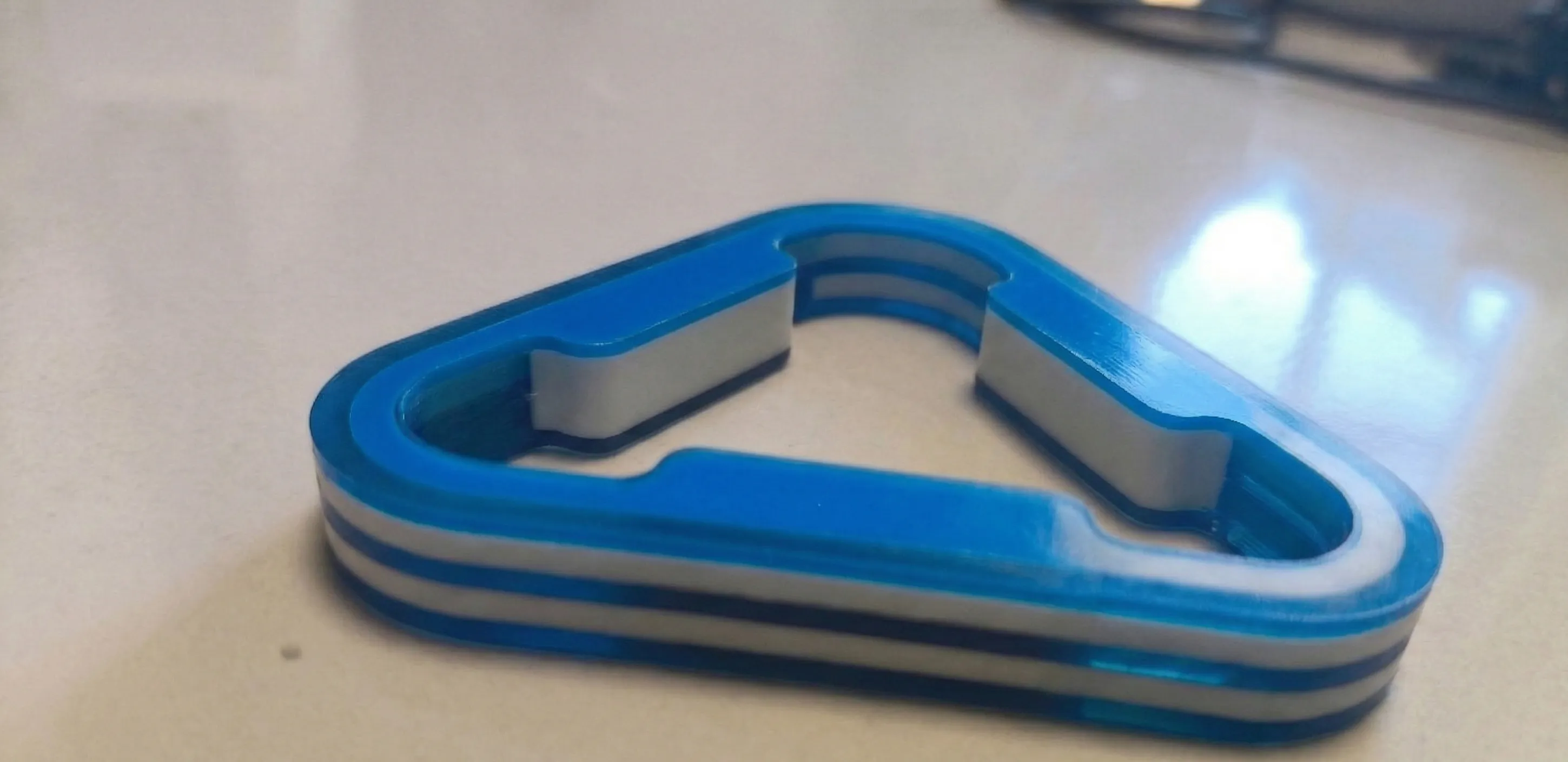
Silicone 3D Printing & LSR Technology
Silicone 3D printing enables the production of flexible, durable, and functional elastomer parts without molds. Liquid silicone rubber (LSR) or RTV silicone processing is ideal for custom gaskets, soft robotic grippers, medical models, seals, and flexible prototypes.
The LayersTech approach integrates silicone capabilities directly with an industrial 3D printer platform. This lets users develop hybrid manufacturing scenarios utilizing silicone of various Shore hardnesses, soluble supports, and engineering polymers on the same system.
Where are 3D Printers Used?
Detailed Guide to Industrial 3D Printers
Read our in-depth technical guide regarding the selection of production-ready 3D printers, the mechanical differences between desktop and industrial architectures, and multi-material or silicone capabilities.
Go to industrial 3D printers guideFrequently Asked Questions
What is a 3D printer?
A 3D printer is a manufacturing system that converts a digital 3D model into a physical part layer by layer. It is widely used for prototyping, fixtures, spare parts, functional components, and customized production.
What are the common applications of 3D printers?
3D printers have a broad range of applications across engineering, automotive, medical, robotics, defense, education, and product development, covering everything from concept validation to end-use parts.
What is the difference between desktop and industrial 3D printers?
Desktop 3D printers are generally designed for basic prototyping and hobbyist use. Industrial 3D printers offer more stable mechanical chassis, enclosed build chambers, active thermal management, advanced material compatibility, high repeatability, and professional support services.
What is silicone 3D printing?
Silicone 3D printing is the layer-by-layer fabrication of physical parts from silicone-based materials (like LSR or RTV) directly from CAD models without molds. It is key for flexible, soft, and sealing components.
Desktop 3D printers vs industrial 3D printers?
Desktop machines are useful for visual prototypes and early concept validation. Industrial 3D printers are designed around uptime, repeatability, material control, build consistency, serviceability and production integration. They often include heated chambers, enclosed systems, advanced motion platforms, tool-changing or multi-material capabilities.
When does silicone 3D printing matter?
Silicone 3D printing is important when the part must be flexible, durable, soft-touch, chemically resistant or suitable for seals, gaskets, medical models, grippers and functional elastomeric components. Instead of relying only on moulds, engineers can produce complex silicone parts directly from digital geometry.
How to choose a professional 3D printer?
To choose a professional 3D printer: - Define whether the application requires prototypes, functional parts or production workflows. - Check material compatibility, especially for silicone, LSR, flexible materials and high-temperature plastics. - Review build volume, accuracy, thermal management and part repeatability. - Consider software, support, maintenance and integration with existing engineering processes. - Prioritise total production reliability over only headline print speed.
Discuss with Our Team to Choose the Right 3D Printer
Assess the most suitable 3D printer tech, industrial platforms, or silicone 3D printing configurations for your engineering requirements with our specialists.